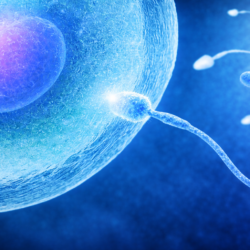
What is Sperm Freezing ?
Sperm freezing, scientifically known as cryopreservation of sperm, is a groundbreaking method that holds immense potential for various fields, including reproductive medicine, fertility preservation, and assisted reproduction. This cutting-edge technique involves the preservation of male reproductive cells, spermatozoa, at ultra-low temperatures, enabling them to remain viable and functional even after extended periods of storage.
Cryopreservation Process
The cryopreservation process is a meticulous procedure that safeguards the genetic material of sperm cells while suspending their biological activity. Here’s an overview of the steps involved:
1. Sperm Preparation:
Prior to freezing, sperm samples are carefully collected and evaluated for quality and quantity. This initial assessment ensures that only healthy and motile spermatozoa are chosen for cryopreservation.
2. Cryoprotectant Addition:
To shield the delicate cells from potential damage caused by freezing, a cryoprotectant solution is introduced. This solution prevents the formation of ice crystals, which could otherwise harm the cell structure.
3. Controlled Freezing:
The sperm-cryoprotectant mixture is slowly cooled down using specialized equipment. This controlled freezing process is essential to prevent cell damage. Once the desired temperature is reached, the samples are plunged into liquid nitrogen, where they remain stored at temperatures as low as -196°C (-320.8°F).
4. Storage and Thawing:
Frozen sperm samples can be stored indefinitely, allowing for long-term preservation. When needed, the samples are thawed, and the cryoprotectants are carefully removed to restore the cells to their natural state.
Advancing Reproductive Possibilities
Sperm freezing has revolutionized the landscape of reproductive medicine and family planning. Here are some ways in which this innovative technique is making a significant impact:
1. Fertility Preservation:
Sperm freezing provides a lifeline for individuals facing medical treatments, such as chemotherapy, which could potentially harm fertility. Preserving sperm before undergoing treatment offers a chance to start a family in the future.
2. Assisted Reproduction:
Sperm freezing is a cornerstone of assisted reproductive technologies, including in vitro fertilization (IVF) and intracytoplasmic sperm injection (ICSI). It ensures a readily available and reliable source of healthy sperm for fertilization, even if the male partner is unavailable or has difficulties producing fresh samples.
3. Overcoming Infertility:
For couples struggling with male infertility issues, frozen sperm samples can be used to achieve conception. This widens the scope of potential solutions and options for couples aiming to become parents.
4. Genetic Diversity Preservation:
Sperm freezing also plays a crucial role in animal conservation efforts, especially for endangered species. By preserving genetic material from healthy individuals, researchers can contribute to safeguarding biodiversity and preventing extinction.
Innovations in Sperm Freezing:
As scientific research and technological innovations continue to progress, the realm of sperm freezing is experiencing remarkable advancements that have the potential to further revolutionize reproductive science. These cutting-edge innovations are expanding the horizons of possibilities and opening new avenues for addressing challenges in fertility preservation and assisted reproduction.
Vitrification:
One of the most noteworthy innovations in sperm freezing is the technique of vitrification. Unlike traditional slow freezing, vitrification involves ultra-rapid cooling, virtually eliminating the formation of ice crystals. This process results in a glass-like state, where the sperm cells are preserved in their natural, intact form. Vitrification has emerged as a game-changer in sperm freezing, enhancing post-thaw survival rates and maintaining the viability of spermatozoa at unprecedented levels.
On-Demand Sperm Usage:
Advancements in sperm freezing have led to the development of on-demand sperm usage. With the ability to freeze sperm in individual straws, each containing a specific quantity of sperm cells, assisted reproduction procedures can be precisely tailored to individual needs. This innovation ensures that only the required amount of sperm is thawed and used, minimizing wastage and maximizing the chances of successful fertilization.
In conclusion, sperm freezing stands as a remarkable achievement in modern science, bridging gaps in fertility, reproductive medicine, and conservation. As advancements continue, the possibilities unlocked by sperm freezing are poised to reshape our understanding of reproduction and genetic conservation