What Is A Blastocyst ?
A blastocyst is a crucial stage in the development of an embryo. It is formed after several rounds of cell division following fertilization of an egg by sperm. The blastocyst consists of two distinct cell populations: the outer trophoblast cells and the inner cell mass. These cells have different functions and give rise to different structures in the developing embryo.
The trophoblast cells of the blastocyst are responsible for implantation into the uterine lining and play a crucial role in the formation of the placenta. They secrete enzymes that allow them to invade and attach to the endometrium, ensuring a stable connection between the embryo and the maternal blood supply. The inner cell mass, on the other hand, gives rise to the embryo proper and eventually forms the various tissues and organs of the fetus.
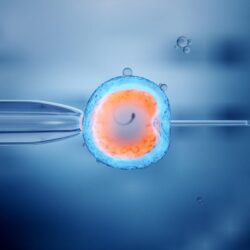
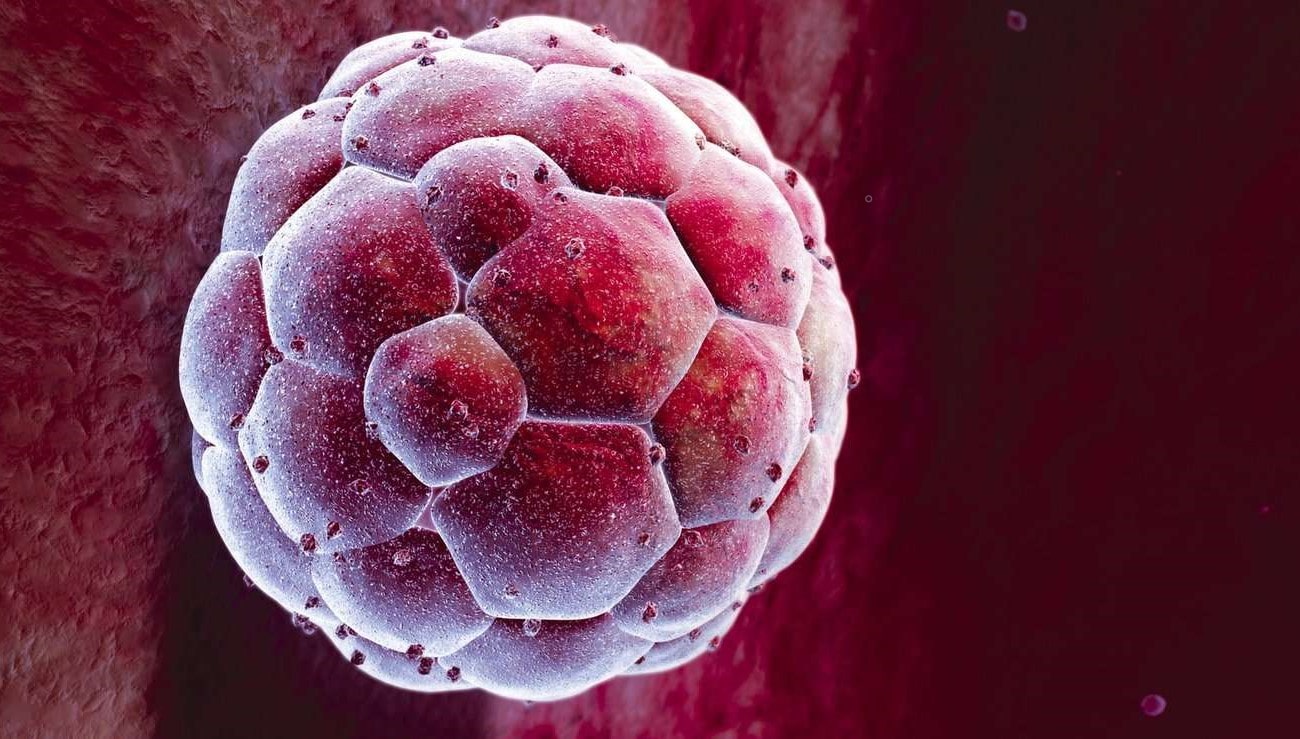
The blastocyst stage is typically reached around five to six days after fertilization. At this stage, the embryo consists of around 70-100 cells and is a hollow, fluid-filled sphere. The outer layer of trophoblast cells surrounds the inner cell mass, creating a distinct structure with the potential for further development.
- Key features of a blastocyst:
- The blastocyst has two distinct cell populations: the outer trophoblast cells and the inner cell mass.
- It is a hollow, fluid-filled sphere.
- The trophoblast cells are responsible for implantation and placenta formation.
- The inner cell mass gives rise to the embryo itself and eventually forms the fetus.
- The blastocyst stage is typically reached around five to six days after fertilization.
Formation Of A Blastocyst
A blastocyst is a crucial stage in the early development of an embryo. It is characterized by the formation of two distinct cell populations, the inner cell mass (ICM) and the trophoblast. The ICM will eventually give rise to the fetus, while the trophoblast forms the outer layer of the blastocyst and plays a vital role in implantation and placentation. The process of blastocyst formation involves several important steps, from the initial fertilization of an egg to the differentiation of cells and the formation of a hollow structure. Let’s explore the fascinating journey of blastocyst formation and its significance in embryonic development.
The formation of a blastocyst starts with the fertilization of an egg by a sperm cell. This union results in the creation of a zygote, which undergoes multiple rounds of cell division through a process known as cleavage. As the zygote divides, it forms a solid ball of cells called a morula. At around the fourth day after fertilization, the morula undergoes compaction, where the outer cells become tightly packed together, while the inner cells form a mass at one end.
During the next stage, a fluid-filled cavity called the blastocoel begins to form within the morula. This process is known as cavitation and marks the transition from a morula to a blastocyst. The outer cells of the blastocyst become the trophoblast, which will later form the placenta. Meanwhile, the inner cells differentiate into the ICM, which will give rise to the various tissues and organs of the developing embryo.
Key Features Of A Blastocyst
When it comes to the early development of an embryo, one of the key stages is the formation of a blastocyst. The blastocyst is a structure that forms about five to six days after fertilization. It is comprised of two main cell types – the inner cell mass and the outer cell mass. These distinct cell populations play crucial roles in the development and implantation of the embryo.
The inner cell mass of the blastocyst is responsible for the future development of the fetus. This group of cells has the potential to differentiate into all the different cell types that make up the human body, including the organs, bones, muscles, and nerves. This incredible versatility is what allows the embryo to develop into a fully formed human being.
The outer cell mass, also known as the trophectoderm, is responsible for creating the protective layer that will eventually attach the blastocyst to the uterine lining. This layer of cells is essential for successful implantation of the embryo and the establishment of pregnancy. It also plays a vital role in the secretion of hormones that are necessary for the maintenance of pregnancy.
Importance Of Blastocyst Formation
In the field of embryology, the formation of a blastocyst holds great significance. The blastocyst is a crucial stage in the development of an embryo and plays a vital role in successful implantation. This process occurs about 5-6 days after fertilization when the fertilized egg goes through several divisions, resulting in the formation of a hollow ball-like structure called the blastocyst.
The formation of a blastocyst is an intricate process that involves the differentiation of cells into two distinct populations – the outer layer known as the trophectoderm and the inner cell mass. This differentiation is important as it marks the beginning of the specialization of cells, and each population of cells serves a specific purpose in the process of embryo development.
The trophectoderm cells, which comprise the outer layer of the blastocyst, have a critical role in the implantation process. These cells are responsible for attaching the blastocyst to the uterine wall and facilitating the establishment of a connection between the embryo and the mother’s circulatory system. This connection allows for the exchange of nutrients and waste products between the developing embryo and the mother, ensuring the embryo’s growth and development.
- Furthermore, the inner cell mass within the blastocyst is responsible for the development of the embryo itself. These cells go on to form the various tissues and organs that make up the fetus. The proper formation of the blastocyst ensures that the inner cell mass is maintained and protected, allowing it to develop and differentiate into the three primary germ layers – the ectoderm, mesoderm, and endoderm.
| Key Features of Blastocyst Formation |
|---|
| The formation of a blastocyst involves: |
| – Cell division and differentiation |
| – Formation of the trophectoderm and inner cell mass |
| – Preparation for implantation |
Blastocyst Development
The development of a blastocyst is an essential stage in the early development of an embryo. During this process, a fertilized egg undergoes several crucial changes that will ultimately lead to the formation of different cell types and the establishment of the basic body plan. Understanding blastocyst development is vital for numerous reasons, including fertility treatments, reproductive health, and advancing our knowledge of embryology.
The journey of blastocyst development begins after fertilization occurs, where a sperm penetrates and fuses with an egg to form a zygote. This zygote undergoes many rounds of cell divisions, known as cleavage divisions, to form a multicellular structure called a morula. The morula continues to divide and differentiate, eventually forming a fluid-filled cavity called the blastocoel. At this stage, the structure is officially classified as a blastocyst.
The key features of a blastocyst include an outer layer of cells known as the trophoblast, which will later contribute to the placenta, and an inner cell mass (ICM), which will develop into the embryo itself. The trophoblast helps in implantation by interacting with the mother’s uterine lining, while the ICM contains the specialized cells that will differentiate into the various tissues and organs of the embryo. This differentiation process is crucial for the subsequent development of a healthy and viable organism.
Role Of Blastocyst In Embryo Implantation
The role of a blastocyst in embryo implantation is crucial in the early stages of pregnancy. A blastocyst is a structure formed during the development of an embryo, usually around five to six days after fertilization. It consists of two main components, the inner cell mass and the outer layer known as the trophectoderm. The blastocyst plays a significant role in ensuring successful implantation and subsequent development of the embryo.
One key function of the blastocyst is to allow for proper attachment to the uterine lining. After fertilization, the blastocyst undergoes several divisions and transformations, culminating in the formation of the outer layer called the trophectoderm. This outer layer is responsible for interacting with the endometrium, the lining of the uterus. Through a complex process of cell adhesion and signaling, the blastocyst establishes strong adhesion with the endometrial epithelium, enabling subsequent implantation.
The blastocyst also plays a crucial role in the initiation of maternal immune response modulation. During implantation, the blastocyst releases various signals that help regulate the maternal immune system. These signals prevent the maternal immune system from recognizing the blastocyst as a foreign entity and mounting an immune response against it. This immune modulation is necessary to protect the embryo from rejection by the mother’s immune system and ensure its survival and development.
- Formation of the blastocyst involves intricate cellular differentiation and organization. The inner cell mass, which will eventually give rise to the fetus, undergoes further specialization into different cell types. This process is crucial for the development of various embryonic tissues and structures. The trophectoderm, on the other hand, differentiates into extraembryonic structures that support the developing embryo, such as the placenta and amniotic sac.
| Key Features | Importance |
|---|---|
| The blastocyst consists of an inner cell mass and a trophectoderm. | The blastocyst is essential for successful implantation and subsequent embryonic development. |
| Implantation involves the adhesion of the blastocyst to the endometrium. | Proper attachment facilitates nutrient transfer from the mother to the embryo and hormonal signaling for pregnancy maintenance. |
| The blastocyst plays a role in maternal immune response modulation. | Modulation prevents rejection of the embryo by the mother’s immune system, ensuring embryo survival. |
| Formation of the blastocyst involves cellular differentiation and organization. | Differentiation leads to the development of specialized cell types that contribute to embryonic and extraembryonic structures. |
Common Issues With Blastocyst Transfer
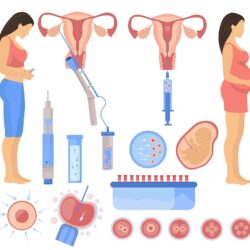
When it comes to fertility treatments, blastocyst transfer is a technique used in assisted reproductive technology (ART) to improve the chances of a successful pregnancy. Essentially, a blastocyst is an embryo that has grown and developed for around five to six days after fertilization. This extended culture time allows the embryo to reach a more advanced stage of development, increasing the likelihood of successful implantation in the uterus.
While blastocyst transfer has proven to be a valuable tool in the field of ART, there are several common issues that can arise during the process. One such issue is the formation of multiple pregnancies. Due to the fact that blastocyst transfer involves the transfer of multiple embryos, there is an increased risk of multiple pregnancies occurring. This can be a concern as multiple pregnancies are associated with a higher rate of complications and the need for medical intervention.
Another common issue with blastocyst transfer is the potential for embryo fragmentation. During the development of an embryo into a blastocyst, it is possible for the cells to become fragmented or break apart. This can occur due to various factors, such as delays in growth or abnormalities in the embryo itself. Fragmentation can negatively impact the embryo’s chances of successful implantation and can result in lower pregnancy rates.
- Embryo fragmentation
- Multiple pregnancies
- Difficulty in selecting the best embryo
| Issue | Description |
|---|---|
| Embryo fragmentation | Fragmentation of cells during development, leading to implantation difficulties. |
| Multiple pregnancies | Risk of more than one embryo implanting and developing, resulting in multiple pregnancies. |
| Difficulty in selecting the best embryo | Challenges in determining the most viable embryo for transfer, leading to potential implantation failure. |
Additionally, selecting the most viable embryo for transfer can be a challenging task for fertility specialists. With multiple embryos at different stages of development, it can be difficult to determine which one has the highest chance of successful implantation. The selection process involves evaluating factors such as embryo quality, morphology, and genetic screening results. If the wrong embryo is transferred, it can result in implantation failure and a negative pregnancy outcome.