Menstrual Cycle and Getting Pregnant
The Menstrual Cycle – A Fundamental Process
The menstrual cycle is a natural and essential process that occurs in most women of reproductive age. It is a monthly cycle that involves several hormonal changes and prepares the female body for potential pregnancy. On average, a menstrual cycle lasts about 28 days, although it can vary from person to person.
Phases of the Menstrual Cycle
Menstrual Phase (Day 1-5):
The cycle begins with menstruation, where the uterus sheds its lining, resulting in the discharge of blood and tissue through the vagina. This phase typically lasts for about 3 to 5 days.
Follicular Phase (Day 6-14):
Following menstruation, the body enters the follicular phase. During this time, the pituitary gland releases follicle-stimulating hormone (FSH), which triggers the development of follicles in the ovaries. Each follicle houses an egg, but usually, only one will mature.
Ovulation (Day 14):
Approximately midway through the cycle, the matured follicle releases its egg into the fallopian tube. This phase is called ovulation and is the most fertile time for conception. Ovulation occurs around day 14 in a 28-day cycle but may vary in shorter or longer cycles.
Luteal Phase (Day 15-28):
After ovulation, the ruptured follicle transforms into the corpus luteum, a temporary gland that produces progesterone. This hormone helps prepare the uterus for a possible pregnancy by thickening the uterine lining. If fertilization does not occur, the corpus luteum disintegrates, leading to the start of a new menstrual cycle.
Trying to Conceive – Factors to Consider
Timing:
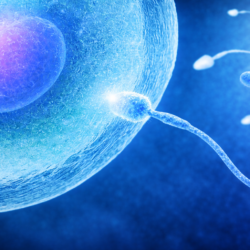
The most fertile period is around ovulation. Having intercourse during this window maximizes the chances of sperm meeting the egg.
Health and Lifestyle:
Maintaining a healthy lifestyle, including a balanced diet, regular exercise, and managing stress, can positively impact fertility.
Age:
Fertility tends to decline with age, with women generally being most fertile in their 20s and early 30s.
Medical Conditions:
Certain medical conditions or hormonal imbalances may affect fertility. Consulting a healthcare professional is recommended if you face difficulties conceiving.
Signs of Pregnancy
After conception, the fertilized egg implants itself into the thickened uterine lining, and pregnancy begins. Some early signs of pregnancy include:
Missed Period:
One of the most common signs is a missed menstrual period. However, this is not a definitive indicator, as some women may experience light bleeding or spotting during pregnancy.
Morning Sickness:
Nausea and vomiting, often referred to as morning sickness, can occur throughout the day in early pregnancy.
Breast Changes:
Tender and swollen breasts are common due to hormonal changes.
Fatigue:
Feeling excessively tired is typical in early pregnancy.
Maintaining a Healthy Lifestyle
Maintaining a healthy lifestyle is crucial for optimizing your chances of conception. Here are some strategies to consider:
Balanced Diet:
Ensure that your diet includes a variety of fruits, vegetables, whole grains, lean proteins, and healthy fats. Proper nutrition provides the necessary vitamins and minerals for reproductive health.
Regular Exercise:
Engage in regular physical activity to maintain a healthy weight and promote overall well-being. However, avoid excessive exercise, as it can interfere with your menstrual cycle.
Avoid Smoking and Alcohol:
Smoking and excessive alcohol consumption can negatively impact fertility in both men and women. Quitting smoking and limiting alcohol intake can improve your chances of conception.
Manage Stress:
High levels of stress can disrupt hormonal balance and interfere with ovulation. Explore stress-reducing techniques such as meditation, yoga, or engaging in hobbies to promote relaxation.
Taking a Pregnancy Test
If you suspect you might be pregnant, taking a home pregnancy test is a convenient and private way to find out. These tests detect the presence of human chorionic gonadotropin (hCG), a hormone produced during pregnancy, in your urine. It’s advisable to take the test after a missed period for accurate results.
Understanding your menstrual cycle is crucial for both family planning and conception. The menstrual cycle, with its various phases, is a fascinating and natural process that reflects the complex workings of the female reproductive system. If you’re trying to conceive or have concerns about your menstrual cycle or fertility, consulting a healthcare professional can provide valuable guidance and support. Remember, each individual’s experience is unique, and it’s essential to stay informed and take care of your overall well-being.