How Is Egg Collection Procedure Performed ?
Initial Preparation
Before undergoing the egg collection procedure, the patient will likely need to go through a series of initial preparations to ensure everything goes smoothly. This may include a review of their medical history, a physical examination, and possibly some blood tests to check hormone levels.
Additionally, the patient may be required to refrain from eating or drinking for a certain amount of time before the procedure. This fasting period helps to reduce the risk of complications during the egg retrieval process and ensures the patient is in the best possible condition for the procedure.
It is important for patients to follow all pre-procedure instructions provided by their healthcare team to ensure a successful egg collection process. By taking these initial preparation steps seriously, patients can help to increase their chances of a positive outcome.
Patient Sedation
Before undergoing the egg collection procedure, patients are typically given sedation to help them relax and minimize any discomfort during the process. The sedation medication is usually administered intravenously by a trained medical professional, ensuring that the patient remains comfortable and calm throughout the procedure.
During the sedation process, the patient’s vital signs are closely monitored to ensure their safety and well-being. The level of sedation can be adjusted based on the patient’s response and comfort level, allowing for a personalized experience tailored to each individual’s needs.
After the egg collection procedure is complete, patients are closely monitored as they recover from the sedation. It is important for patients to have someone available to drive them home after the procedure, as the effects of sedation can linger for several hours.
Ovarian Stimulation
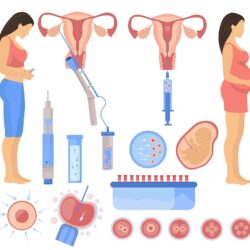
Ovarian stimulation is a crucial step in the IVF process where fertility drugs are used to stimulate the ovaries to produce multiple eggs. The goal of this phase is to maximize the number of eggs retrieved during the egg collection procedure.
During ovarian stimulation, patients will typically inject themselves with hormones such as FSH and LH to stimulate egg production. These injections are usually administered over a period of 8-12 days to ensure the optimal growth of the eggs.
After the monitoring phase, when the eggs are deemed to be mature, a trigger shot will be given to induce ovulation and prepare the eggs for retrieval during the egg collection procedure.
Monitoring
During the monitoring phase of the egg collection procedure, the doctor will closely track the growth and development of the ovarian follicles. This is typically done through transvaginal ultrasounds and blood tests to measure hormone levels. The purpose of monitoring is to determine the optimal timing for the egg retrieval process.
It is crucial that patients adhere to the scheduled monitoring appointments to ensure the success of the procedure. The doctor will adjust the medication dosages based on the monitoring results to maximize the chances of a successful egg retrieval. This phase is essential for the overall success of the IVF process.
Patients may experience some discomfort during the monitoring procedures, but the doctor and medical staff will ensure that they are as comfortable as possible throughout the process. Open communication with the medical team regarding any concerns or questions is important during the monitoring phase of the egg collection procedure.
Egg Retrieval
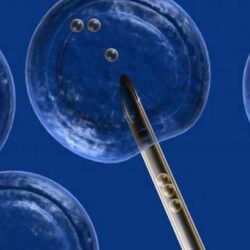
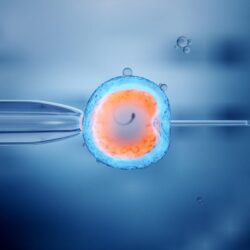
Egg retrieval is a crucial step in the IVF process where the oocytes are collected from the ovaries for fertilization. During this procedure, the patient is placed under sedation to ensure comfort and minimize discomfort.
Once the patient is sedated, the doctor will use a transvaginal ultrasound probe to guide a thin needle through the vaginal wall into each ovary to retrieve the eggs. The eggs are then placed in a special nutrient-rich culture medium in the laboratory for fertilization.
After the egg retrieval procedure, the patient may experience some cramping or spotting, which is considered normal. It is important for the patient to follow the post-procedure care instructions provided by the medical team to ensure a smooth recovery.
Post-Procedure Care
After undergoing the egg retrieval procedure, it is important for patients to follow the recommended post-procedure care instructions to ensure a smooth recovery. One of the key aspects of post-procedure care is rest, as the body needs time to recover from the invasive procedure. Patients are advised to avoid strenuous activities and get plenty of rest in the days following the egg collection.
It is also important for patients to stay hydrated and maintain a healthy diet to aid in the recovery process. Drinking plenty of water and consuming nutritious foods can help the body heal more effectively. Patients should also avoid alcohol and caffeine, as these substances can have negative effects on the body’s recovery.
Additionally, patients should closely follow any instructions provided by their healthcare provider regarding pain management and monitoring for any signs of infection or complications. It is important to attend all follow-up appointments and contact your healthcare provider if you experience any concerning symptoms.