Does the temperature interfere with IVF Treatment ?
Heatwaves are becoming increasingly common across the globe, raising concerns about their potential effects on various aspects of life. One area that has attracted attention is the field of in vitro fertilization (IVF) treatment. Couples undergoing IVF may wonder whether heatwaves can hinder the success of their fertility treatment.
Understanding IVF:
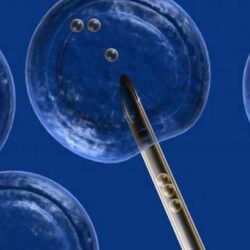
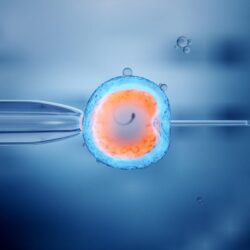
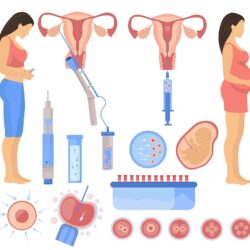
Before we delve into the effects of heatwaves, let’s briefly understand what IVF entails. IVF is a complex and delicate procedure that involves fertilizing eggs with sperm outside the body, in a laboratory setting. The embryos are then transferred back into the woman’s uterus, with the hope of achieving a successful pregnancy.
Heatwaves and IVF:
While heatwaves can have various implications on human health, it is crucial to assess their specific influence on IVF success rates. Several factors contribute to a successful IVF outcome, including the quality of embryos, the woman’s age, and the overall health of both partners.
Embryo Quality:
Heatwaves can potentially affect the development and quality of embryos. High temperatures may lead to oxidative stress and damage the delicate embryo cells. This could result in reduced embryo quality, making it more challenging for embryos to implant successfully in the uterus.
Ovarian Function:
The female reproductive system is particularly sensitive to heat. Elevated temperatures can disrupt normal ovarian function, affecting the maturation and release of eggs. Heatwaves might alter hormone levels and ovulation patterns, potentially reducing the number of viable eggs available for retrieval during IVF treatment.
Sperm Health:
Heatwaves can also impact sperm health. Excessive heat exposure, such as prolonged hot weather conditions, can increase scrotal temperatures and negatively affect sperm production and motility. This, in turn, might decrease the chances of successful fertilization during IVF.
Stress and Overall Well-being:
Heatwaves can cause physical discomfort and psychological stress, which may have indirect effects on IVF outcomes. Stress can disrupt hormonal balance and potentially affect the chances of successful implantation and pregnancy.
Mitigating the Effects:
Although heatwaves may pose challenges to IVF treatment, there are steps that couples can take to mitigate their potential impact:
Climate Control:
IVF clinics typically provide controlled environments to ensure optimal conditions for embryo development. Temperature and humidity levels are carefully regulated to create an ideal setting for embryos. Clinics often have backup power supplies and monitoring systems to safeguard against external temperature fluctuations.
Lifestyle Adjustments:
During heatwaves, it is essential for both partners to maintain a healthy lifestyle. This includes staying hydrated, avoiding excessive sun exposure, and minimizing physical exertion. Additionally, adopting stress-reducing techniques such as meditation or counseling may help cope with the psychological effects of extreme heat.
Consultation with Specialists:
If couples have concerns about the potential impact of heatwaves on their IVF treatment, it is advisable to consult with fertility specialists. These experts can provide personalized guidance based on individual circumstances and recommend strategies to optimize chances of success.
Couples undergoing IVF treatment should stay informed about weather conditions and heatwave alerts in their area. By being aware of potential heatwave periods, they can plan their treatment cycles accordingly. IVF clinics often have measures in place to reschedule procedures if extreme weather conditions are expected.
While heatwaves can present challenges to IVF treatment, it is important to approach the situation with knowledge and preparedness. By understanding the potential impacts, taking necessary precautions, and seeking guidance from fertility specialists, couples can navigate through the difficulties posed by heatwaves. It is essential to remember that the field of reproductive medicine continually evolves, and with advancements and personalized care, the potential effects of heatwaves on IVF success rates can be minimized. Ultimately, perseverance, support, and proactive measures will contribute to increasing the chances of achieving a successful IVF outcome, regardless of external environmental factors.