Does IVF Prevent Genetic Diseases?
Understanding Genetic Diseases
Genetic diseases are caused by abnormalities in an individual’s genetic makeup, which can be inherited from one or both parents. These diseases can manifest in a variety of ways, ranging from mild to severe symptoms depending on the specific genetic mutation involved. It is important to note that not all genetic mutations result in disease, as some may have no noticeable effects on an individual’s health.
Diagnosing genetic diseases typically involves a combination of medical history, physical examination, and genetic testing. Genetic tests can identify specific gene mutations that are associated with certain diseases, providing valuable information for healthcare professionals to make informed decisions about treatment and management options. In some cases, genetic counseling may also be recommended to help individuals understand the implications of their genetic test results.
Treatment options for genetic diseases vary depending on the specific condition and its severity. While some genetic diseases have no cure and can only be managed with supportive care, others may respond well to medications, surgery, or other interventions. Research in the field of genetics continues to advance, leading to the development of new treatments and therapies for genetic diseases that were once considered untreatable.
Impact of IVF on Genetic Diseases
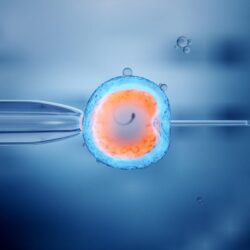
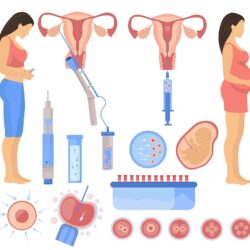
IVF (In Vitro Fertilization) is a widely used assisted reproductive technology that has revolutionized the way couples struggling with infertility can conceive children. However, it has also had a significant impact on the prevention of genetic diseases. By allowing for the pre-implantation genetic testing of embryos before they are transferred to the uterus, IVF provides a way for parents to screen for genetic abnormalities and select embryos that are free of these mutations.
Through this process, couples who are carriers of genetic diseases such as cystic fibrosis, sickle cell anemia, or thalassemia, can significantly reduce the likelihood of passing down these conditions to their children. This has led to a decrease in the prevalence of these conditions in newborns, ultimately preventing the inheritance of certain genetic diseases in future generations.
While IVF has not completely eradicated genetic diseases, it has certainly played a crucial role in minimizing their impact on families and society as a whole. As technology continues to advance, the success rates of preventing genetic diseases through IVF are expected to improve further, offering hope to couples facing the challenges of infertility and genetic disorders.
Pre-Implantation Genetic Testing
Pre-Implantation Genetic Testing (PGT) is a technique used in conjunction with in vitro fertilization (IVF) to identify genetic defects within embryos before they are implanted in the womb. This advanced technology allows for the screening of embryos for specific genetic diseases such as cystic fibrosis, sickle cell anemia, and Huntington’s disease.
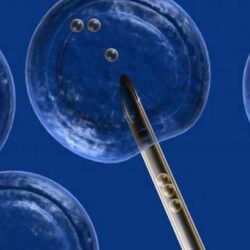
PGT involves the removal of one or more cells from the embryo and analyzing the DNA for any abnormalities. This process helps to ensure only healthy embryos are selected for implantation, reducing the risk of passing on genetic disorders to future generations.
Success Rate of Preventing Genetic Diseases
When it comes to preventing genetic diseases through IVF, the success rate can vary depending on the type of genetic condition being targeted. In some cases, such as single gene disorders like cystic fibrosis or sickle cell anemia, pre-implantation genetic testing can be highly effective in preventing the transmission of the disease to future generations. This type of testing involves screening embryos created through IVF for specific genetic mutations before they are implanted in the uterus.
However, the success rate of preventing complex genetic conditions, such as chromosomal abnormalities or multifactorial disorders, may be lower. These conditions are often caused by a combination of genetic and environmental factors, making them more difficult to detect and prevent through pre-implantation genetic testing alone. In these cases, genetic counseling and other interventions may be necessary to reduce the risk of passing on the disease.
The success rate of preventing genetic diseases through IVF is improving as technology advances and our understanding of genetics grows. While no method is 100% foolproof, pre-implantation genetic testing has shown promise in reducing the incidence of certain genetic conditions in offspring born through IVF.